
Mifeng 蜜蜂
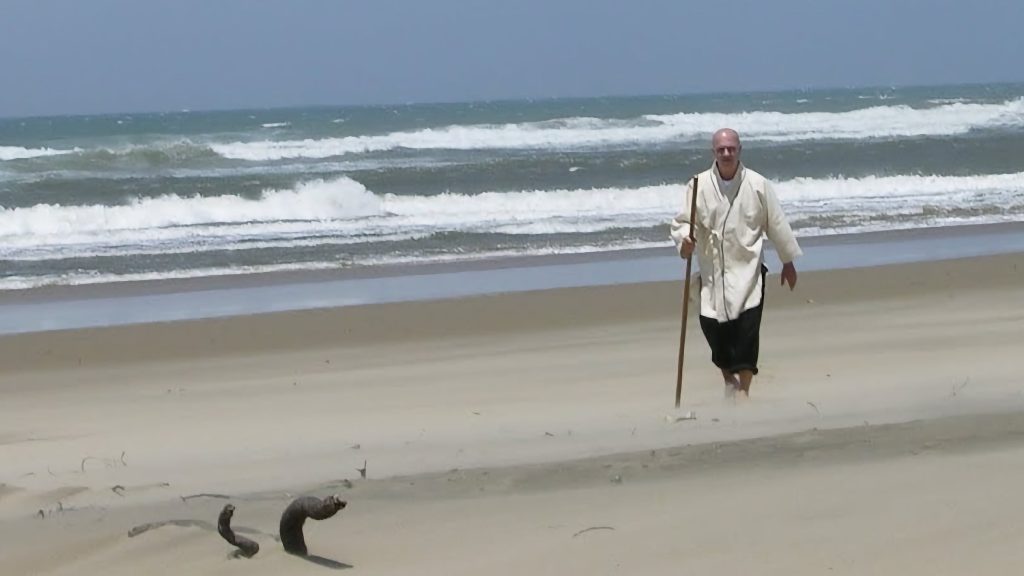
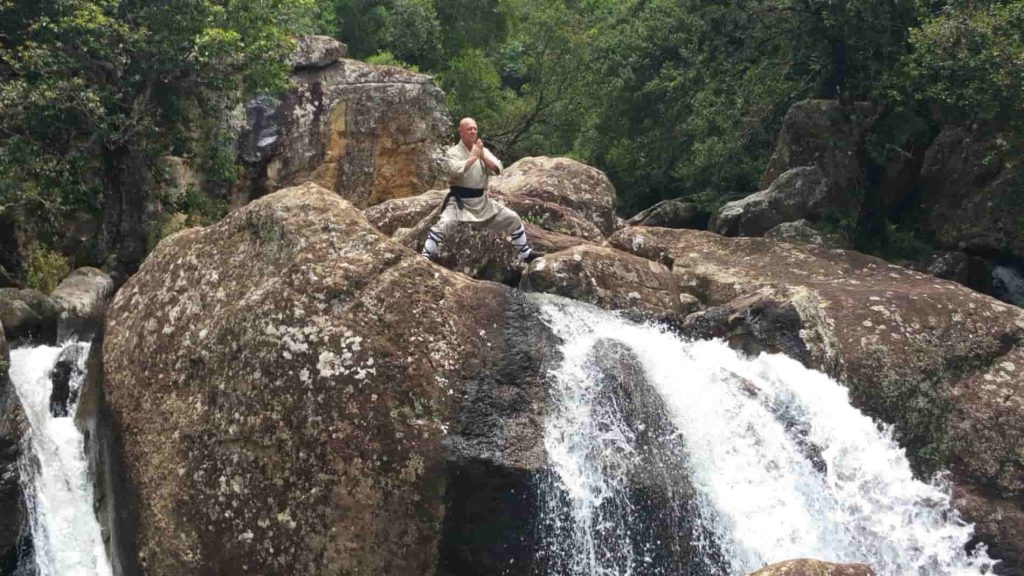
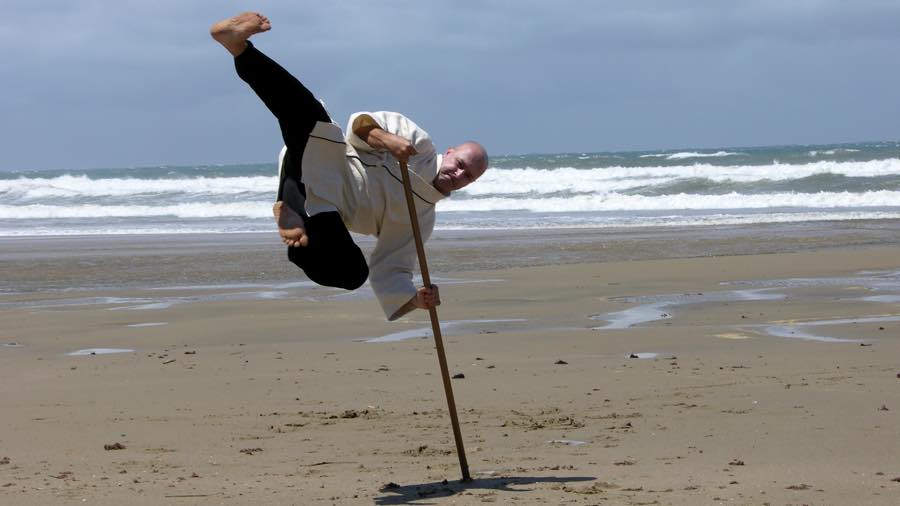
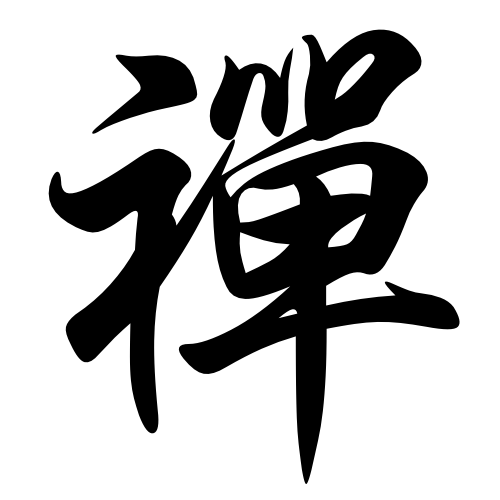
Leslie Conn is a Chan 禪 Master of the Mountain Way 山道, a scholar, author, martial artist, adventurer, and devoted father. He is known by his Mountain name, Mifeng 蜜蜂, meaning “Honey Bee.”
His journey began in his early teens when Mifeng was handed an ancient, unadorned Chan (Zen) text. Approaching it with the innocence of youth, he followed its instructions to the letter. The text was composed of poems and gong’an 公案, each of which he studied with exact devotion. At just fifteen years old, this direct practice catalyzed a profound awakening to the true nature of the universe.
Awestruck yet confused, and searching for his next steps, Mifeng embarked on a lifelong quest. He briefly lived as a monk in a Chinese Chan monastery, but soon realized his spirit belonged to the wild, ancient path of Chan 禪. He found his true home among the mountain mystics of China, discovering a path that was more grounded, deeply personal, and infinitely more rewarding. For nearly half a century, he has walked this path, learning from the mystics of the mountains and mastering the Mountain Way 山道.
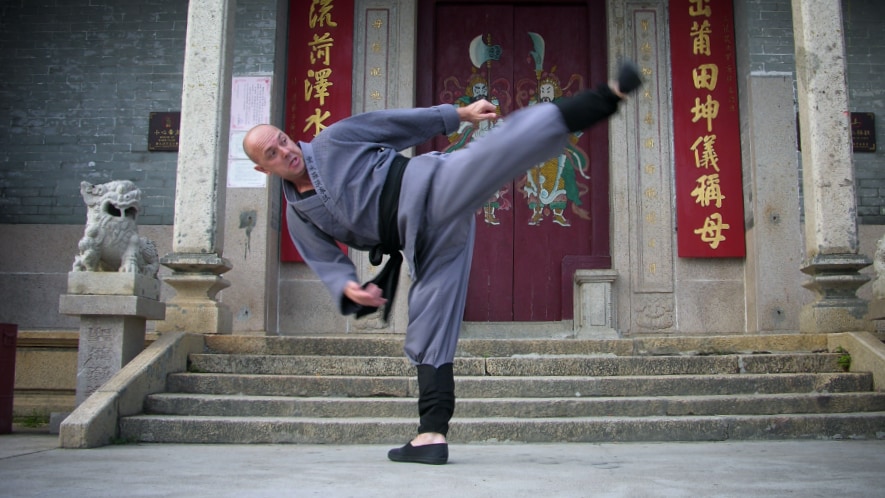
Mifeng also immersed himself in a formal, twenty-year “closed-door” apprenticeship under the renowned martial master, Kwan Yuen Cheong 關潤昌, also a devout Chan practitioner. In 2010, Mifeng succeeded Master Kwan to become a 7th-generation Master of the Warrior Heart 戰士心 martial lineage, emerging as the only Westerner ever entrusted with the entirety of this system’s knowledge.
Since 1987, Mifeng has been a pioneer in the multidisciplinary, multilingual research of Chinese martial arts and their associated military history. He initially specialized in the Chinese art of stealth and historical operatives, such as spies, assassins, and thieves. He later made significant discoveries regarding the origins of the Luohan 羅漢 and the dissemination of martial arts through Chan 禪 lineages of East Asia. His research methodology encompasses the scrutiny of rare historical manuscripts, archaeological findings, and museum artifacts, alongside fostering collaborations with collectors, academics and mystics.
Additionally, Mifeng has conducted extensive sociological field research, engaging in interviews and training sessions with members of both the Chinese and Japanese underworlds. His acceptance into these communities granted him unique insights into their martial arts traditions and historical ties, profoundly shaping his approach to researching, practicing, and teaching the Chinese warrior arts.
A true turning point in Mifeng’s journey, occurred in Hong Kong in 2001. There, he crossed paths with an elderly man from Northern China who walked extraordinary distances every single day. Drawn to the man’s presence, Mifeng approached him to ask about the purpose of his endless walking. In that moment, an instant and unlikely friendship was born.
He learned that the elder’s walking was a continuous, moving meditation. Despite his age, the man was remarkably strong and vibrant, radiating a profound joy. As a younger Chan practitioner at the time, Mifeng humbly asked for his guidance. The elder offered him a single piece of wisdom that changed everything:
“You can practice Chan all you want, but you must use it to live in this world, with all its problems. It must work, and you must be happy, regardless of society’s struggles, right here and right now.”
Profoundly transformed by this interaction and the wisdom it brought, Mifeng has since devoted his life’s energy to helping others achieve happiness in the modern world through the practice of Chan 禪. He continues to explore the depths of the mind and the simplicity of a joyous life along the Chan 禪 path.