
OUR RESEARCH WORK
The following points provide a brief overview of our accumulated experience and sources explored in our research and practice activities:
- Hermits: Four decades of studying with, and gathering esoteric information, from the Chan Buddhist hermits, Daoist hermits, and other recluse community of China and Southeast Asia have provided valuable insights into their knowledge, mind practices and community customs.
- We have engaged with monks from several Far Eastern Buddhist traditions, sharing and comparing methods of mind practice.
- Closed-Door Apprenticeship 入門弟子: We have been privileged to receive direct transmission as closed-door disciples 入門弟子 of the Warrior Heart 戰士心 tradition. During a twenty-year apprenticeship under our Master, Kwan Yuen Cheong 關潤昌, we delved into the esoteric ways of Chán 禪, Luohan 羅漢 and the Hidden arts 隱法.
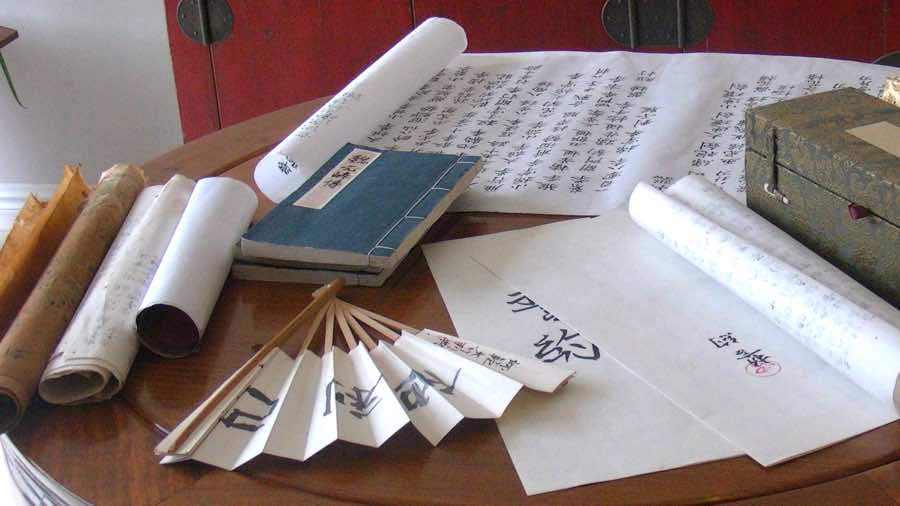
- Warrior Heart Record 戰士心: These invaluable documents were passed down to us directly from Master to closed-door disciple 入門弟子. Considered ‘secret,’ they contain comprehensive information on all aspects of the art and tradition. While the surviving written record dates back to 1820, the tradition itself is much older. Unfortunately, many older materials on rice paper did not survive the tumultuous Qing 大清 Dynasty period and the subsequent move of our tradition to Southeast Asia.
- Old martial arts manuscripts: Our private collection, amassed during the late 80s, is one of the largest repositories of documents rescued from the destruction of the cultural revolution. Much of this collection has been digitised for long-term preservation.
- Military manuals: Our collection includes copies of all classic Chinese military manuals, with access to most originals through various means.
- Ancient books: We conduct research using diverse historical books and manuscripts from different cultures. These unconventional sources have proven to be unexpectedly rich in relevant information.
- Museums: We have explored countless museums in China and the Far East to source information. Extracting relevant, subtle information from these sources requires innovative research methods.
- Fellow researchers: We collaborate with fellow researchers and academics in China, Japan, Mongolia, Korea, and Malaysia.
- Masters in Japan: From 1992 to 2005, we conducted in-depth interviews with credible Japanese masters, gaining insights into their esoteric arts, traditions, and surviving documents. At times, these interviews included demonstrations and interactive discussion on their traditions.
- Anecdotes and notes from aging Chinese masters: Between 1996 and 2005, we interviewed and received documents from Chinese masters in Hong Kong, Singapore, Malaysia, and Indonesia, many eager to share information as their traditions faced steep decline.
- The Chin Woo 精武 (also called Jing Wu 精武) record: We gained access to and copied a significant portion of the Chin Woo 精武 record, a massive repository ranging from the Qing 大清 period to the present day. Although challenging to sift through, the record contains valuable information for the intrepid researcher.
- Independent Chinese collectors: We collaborate with a network of Chinese collectors, ranging from weapons enthusiasts to calligraphy buffs.
- Yakuza 極道: Immersing ourselves in the world of the Japanese Yakuza 極道, we spent several years with operational members, including one ‘boss,’ garnering invaluable experiences and knowledge on their martial traditions.
- Triads 三合會: We had a unique opportunity to enter the world of a triad group for research purposes. This two-decade-long relationship allowed us to investigate their martial arts practices and their modern use of stealth. The experience had a profound impact on us.
- Police material: Information obtained from both the Hong Kong and Thai police on triad traditions and recorded activities offered insights into the real-world application of Chinese martial arts in triad gang warfare.
- In the early 90s, we embarked on a remarkable two-year ocean voyage retracing the path of Zhang He’s 鄭和 Ming Dynasty Fleet. Our purpose was to visit remote locations referred to as “junk stations,” which had remained isolated for centuries. Everything we encountered seemed frozen in time – from the ancient style Chinese language to the outdated customs. Among our discoveries were old Chinese military weapons and a myriad of interesting artifacts originating from Chinese pirates now assimilated into the local communities.
- Computer modelling: Leveraging technological advancements, we employed data analysis and explored theories in ways unprecedented in the martial arts world. Drawing on previous career experience in algorithmic development, we applied these skills to enhance our research endeavors.” Further, the digitising and subsequent cataloging of historical documents has made a positive impact on our research work.
MEDITATION

Do you know that your brain starts to change after only 4 days of simple, short session, meditation practice…
YOGA
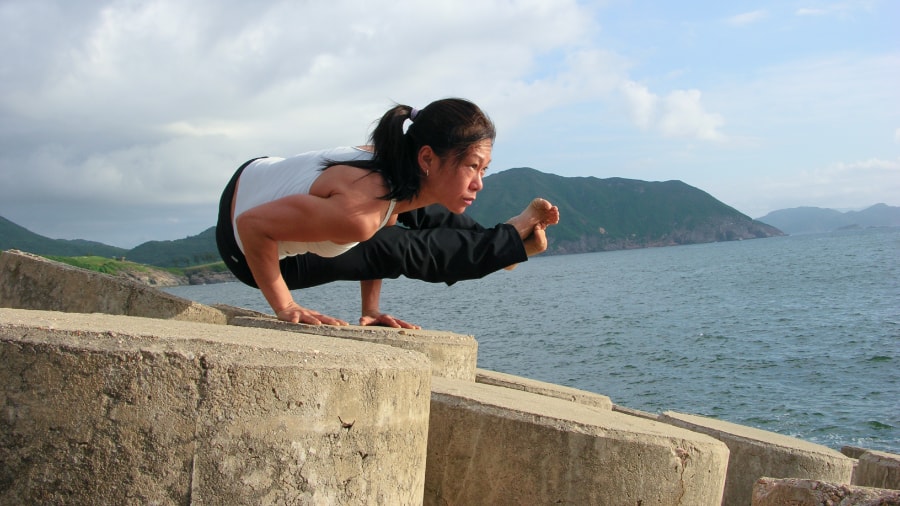
This is Yoga practice with the Chan mind. Develop the body and mind together in one amazing journey..
MARTIAL ARTS
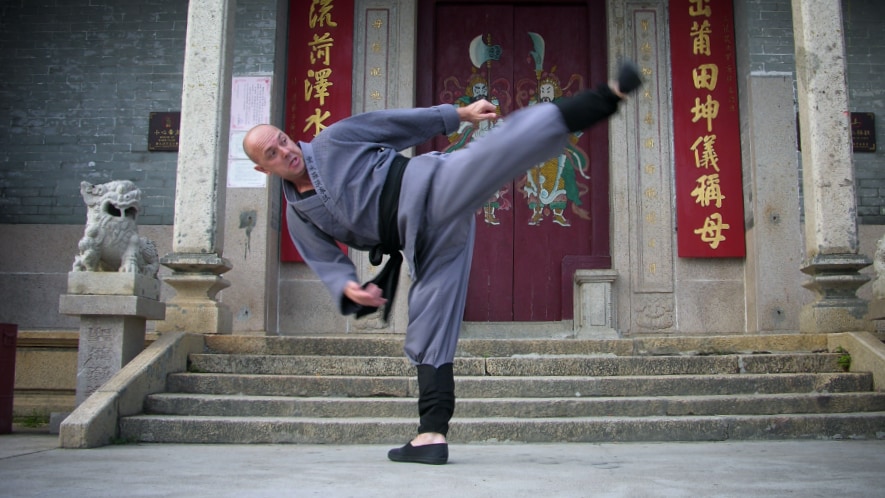
For centuries, martial arts have served as a profound pathway for Chan 禪 practice. Accessible to anyone, at any stage of life..
THE MOUNTAIN WAY
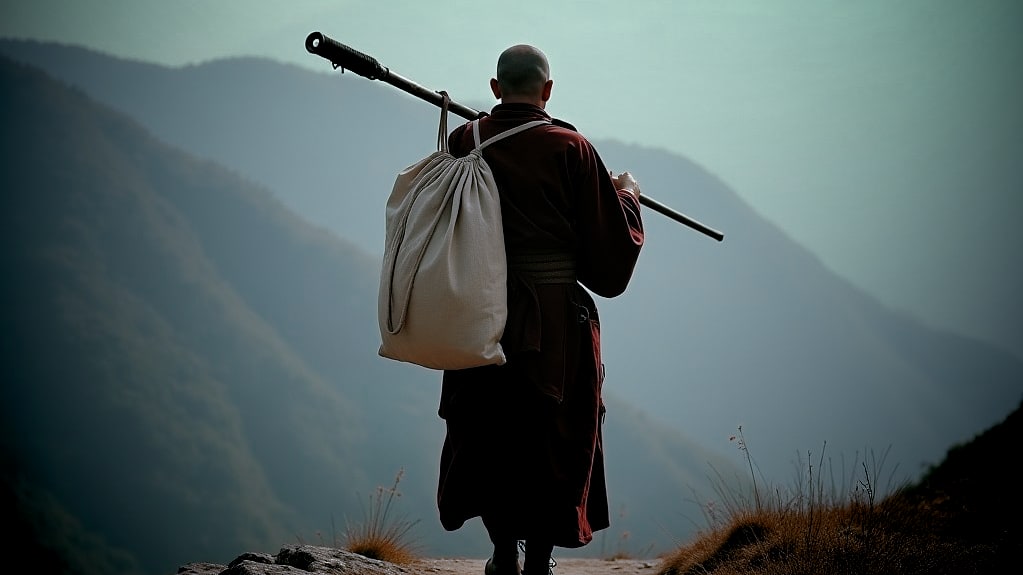
Draw inspiration from the ‘Mountain Way’ 山道, a path walked by hermits and mystics over millennia. A timeless roadmap for living..